
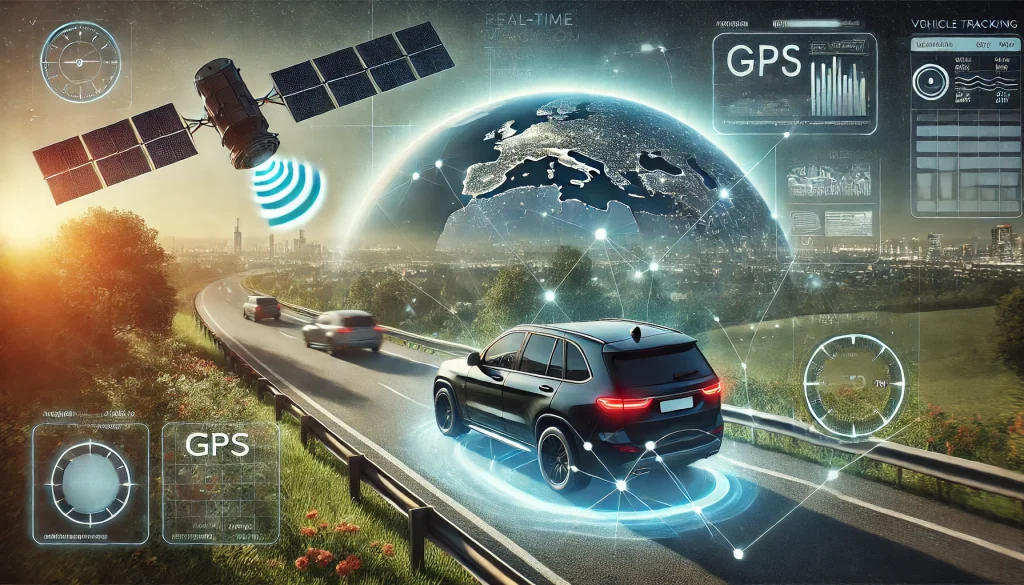
For companies whose business relies on a fleet of vehicles, real-time insight into the status and location of such assets is no longer an added value but an intrinsic operational need for optimal efficiency, enhanced security measures, and better customer service delivery. Traditional vehicle tracking methods often fall short of providing the level of precision and real-time insights that modern technology now readily makes available.
This guide explores the more intelligent and effective ways to track vehicles, emphasising the significant benefits and essential features of advanced tracking systems for businesses of all sizes and across various industries.
The Power of Real-Time Track Capabilities
The intrinsic drawbacks of manual logs, paper-based records, and other obsolete monitoring instruments are becoming increasingly apparent in today’s fast-paced and dynamic commercial environment. Inconsistent data collection, delays in accessing critical information, and the inability to promptly address operational issues can lead to significant inefficiencies and unexpected costs.
No longer trapped responding to yesterday’s decisions, today’s information is easily accessible simply by glancing at your screen. This transition from perpetual firefighting to being ahead of pending issues is a strategic paradigm shift. With a continuous flow of good information entering the business, companies can view and correct problems before they become disruptions and can change direction seamlessly to take advantage of unplanned opportunities as they arise.
Significant Benefits of an Intelligent Vehicle Tracking System
Once installed, an intelligent vehicle tracking system offers several benefits to business entities, which are key operational features. Increased operating effectiveness is obtained through dynamically routable optimisation, deletion of duplicate idle time, and maximum resource dispatch effectiveness. Improved security is facilitated by real-time location tracking and user-defined geofencing capabilities to protect against auto theft and misuse of the vehicle.
Accurate ETAs and timely responses to requests provide customer service excellence. Additionally, continuous monitoring of driving patterns, fuel consumption habits, and maintenance needs can prevent unnecessary costs and enable preventive safety features.
After buying a vehicle tracking system, firms are required to test for improved performance and list the most important functions as their top priority. Live GPS tracking can achieve real-time GPS location reporting for every company vehicle. Geofencing allows organizations to create virtual fences and automated alerts when vehicles cross such boundaries.
Long-term historical tracing stores history about previous paths and travel media. User-friendly, intuitive mobile apps allow fleet managers to monitor the fleet remotely via the Internet. Powerful reporting and analysis give insight into performance measures critical to improved decision-making, with integration features to facilitate easy sharing of information among key business systems.
Use of Tracking Information for Continued Operations Improvement
The amount of data collected by a smart car tracking system is an asset that can be planned and utilised effectively to manage continued improvement in operational performance and general operation. Analysis of route history information can pick out repeat hotspots and potential locations for route optimization. Monitoring driver behaviour can enable practical training sessions, incentivize safe driver behaviour, and reduce fuel usage.
Appropriate monitoring of engine and vehicle miles allows improved maintenance planning, which contributes to reduced planned downtime and costly repairs. By effectively using vehicle-tracking information to make good decisions, firms can realise a direct relationship between greater efficiency and greater profitability.
Frequently Asked Questions (FAQ)
1. What is an intelligent vehicle tracking system?
An intelligent vehicle tracking system uses GPS technology, software analytics, and real-time data to monitor and manage vehicle locations, driving behavior, fuel usage, and maintenance needs. It offers geofencing, route optimization, and live alerts to improve fleet performance and security.
2. How does real-time tracking improve business efficiency?
Real-time tracking allows fleet managers to view vehicle locations instantly, detect delays, and reroute drivers as needed. This helps reduce idle time, improve delivery accuracy, and enable faster decision-making, ultimately lowering costs and improving customer satisfaction.
3. Is vehicle tracking only valid for large fleets?
Not at all. Whether you manage 5 or 500 vehicles, intelligent tracking systems provide valuable insights to optimize routes, monitor usage, and ensure driver safety. Small businesses often see quick returns by reducing fuel waste and improving dispatch efficiency.
4. Is the data from tracking systems secure and private?
Most modern tracking platforms use encryption and secure servers to protect sensitive data. Access is typically limited to authorized personnel, and many providers comply with privacy and data protection regulations to ensure customer and employee information remains safe.


